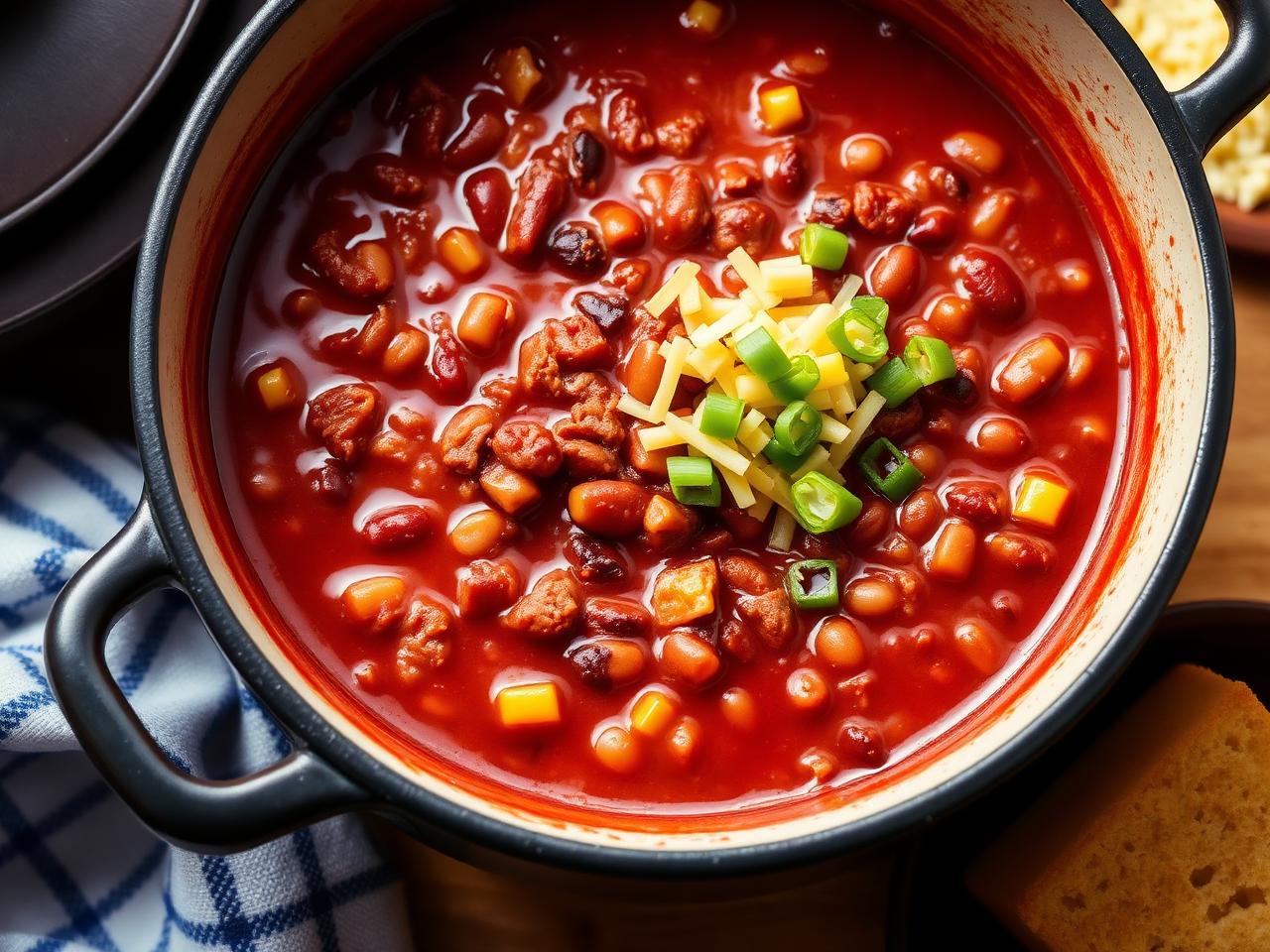
One-Pot Beef & Bean Chili is the kind of recipe we build TastyHomeKitchen around: useful on a normal day, flavorful enough to feel memorable, and written with enough detail that you can cook confidently without pausing to guess. The heart of this dish is thick, cozy chili built from affordable pantry staples. Every step below explains not only what to do, but why it matters, because good home cooking becomes easier when the recipe teaches you as it guides you.
We tested this recipe in a regular home kitchen with standard pans, grocery-store ingredients, and the realistic interruptions that happen during family cooking. That means the timing is practical, the ingredients are flexible, and the instructions avoid chef-only language. If your counter is busy, your kids are asking questions, or dinner needs to happen quickly, this recipe still works.
For Mediavine and Journey-quality content, we focus on original testing notes, storage guidance, substitutions, serving ideas, and troubleshooting. You will find those details throughout this article instead of a thin recipe card. The goal is to help readers spend less time searching and more time cooking something they are proud to serve.
The flavor profile is balanced: savory depth, a bright finish from sharp cheddar and scallions, and enough texture to keep every bite interesting. You can make it exactly as written the first time, then use the variations section to adjust for budget, spice level, dietary needs, or what you already have in the pantry.
Most importantly, this is friendly food. It does not require perfect knife skills, specialty cookware, or a long shopping list. It rewards small details — preheating the pan, seasoning in layers, resting before serving, and finishing with something fresh — which is exactly how simple home recipes start tasting like restaurant food.
Why you'll love this recipe
- It is fully tested for a real home kitchen, not a studio setup with unlimited time and equipment.
- The ingredient list is short, familiar, and easy to shop from a standard grocery store.
- The method builds flavor in layers so the final dish tastes complete, not rushed.
- Every section includes practical notes for substitutions, storage, reheating, and serving.
- It is family-friendly but still flexible for readers who like extra herbs, heat, or texture.
- The recipe produces dependable results whether you are a beginner or an experienced cook.
“A dependable recipe should feel like a calm friend in the kitchen — clear, forgiving, and generous with the little details that make dinner work.”
Ingredients
Serves 6 · Full measurements below. Notes for substitutions are included next to each item.
- ground beef— Use the freshest version you can find; it makes the simple flavor profile taste polished.
- kidney beans— Measure before you start so the recipe moves quickly and nothing overcooks.
- tomatoes— This ingredient carries the main aroma, so do not skip it unless a variation below says so.
- onion— A pantry-friendly option works well here; choose a brand your family already likes.
- chili powder— Add gradually and taste as you go for a balanced finish.
- corn— Keep a little extra for serving because the final garnish makes the plate feel complete.
How to make it
Set up your station
Read the full recipe once, pull out every ingredient, and measure the main items before heat enters the equation. This small habit prevents overcooking and makes one-pot beef & bean chili feel relaxed even on a busy night.
Build the flavor base
Start with the ingredients that need the most time to release aroma and sweetness. Cook them until they smell rounded and savory rather than raw. This step is where the recipe gets depth without needing expensive add-ins.
Add the main ingredients
Add ground beef, kidney beans, tomatoes and stir so everything is evenly coated. Keep the heat controlled; steady cooking gives better texture than rushing with aggressive heat.
Season in layers
Taste before adding more salt, acid, or sweetness. A little seasoning early and a little near the end gives a cleaner flavor than dumping everything in at once. This is one of the easiest ways to improve everyday cooking.
Cook until just done
Use the visual cues in the recipe rather than relying only on the clock. The timing is tested, but pan thickness, stovetop strength, and ingredient size can change things by a few minutes.
Finish with freshness
Add sharp cheddar and scallions at the end so the dish tastes bright and intentional. Finishing ingredients should wake up the recipe, not disappear into long cooking.
Rest, garnish, and serve
Let the dish sit briefly before serving. That short pause helps juices settle, sauce thicken, and flavors come together. Garnish right before bringing it to the table for the best color and texture.
Pro tips for the best results
- Use a pan large enough to avoid crowding; crowded food steams instead of browning.
- Prep the garnish before cooking so the final step feels easy and fresh.
- If the dish tastes flat, add a small squeeze of lemon or a pinch of salt before adding more fat.
- For meal prep, store crunchy toppings separately so leftovers still taste intentional.
- Write down your family's favorite variation the first time you make it; that note becomes your house version.
- Use medium heat when in doubt. Controlled heat gives you more time to adjust texture and seasoning.
- Taste at the table too. A finishing salt, herb, or drizzle can make leftovers feel brand new.
Tasty variations
Budget-friendly
Stretch the recipe with extra vegetables, beans, rice, potatoes, oats, or noodles depending on the category. The flavor base stays the same while the serving count goes up.
Extra fresh
Double the herb or citrus finish and serve with a crisp side. This version feels lighter and works beautifully for lunch leftovers.
Comfort style
Add a little cheese, creaminess, toasted nuts, or buttery crumbs for a richer version that feels weekend-worthy.
Storage & reheating
Store leftovers in an airtight container in the refrigerator for up to 4 days. Reheat gently so the texture stays pleasant: use low heat on the stove for saucy dishes, a toaster oven or air fryer for crisp foods, and short microwave bursts for bowls or bakes. If freezing, cool completely first and label the container with the date. Add sharp cheddar and scallions after reheating rather than before storage for the freshest flavor.
What to serve with it
- Simple green salad
- Warm bread or rice
- Fresh fruit
- Roasted vegetables
- Yogurt sauce
- Sparkling water with citrus
Nutrition information
Nutritional values are estimates and may vary based on brands and exact measurements used.
Frequently asked questions
Can I make one-pot beef & bean chili ahead?+
Yes. Prep the main components ahead and store finishing ingredients separately. The recipe tastes best when the fresh garnish or sauce is added right before serving.
What should I do if the flavor tastes bland?+
Add salt in tiny pinches, then add acidity such as lemon, vinegar, or a bright sauce. Most bland recipes need balance, not a large amount of one ingredient.
Can I double the recipe?+
Usually yes, but use a larger pan or cook in batches so the texture stays right. Doubling ingredients in a crowded pan often creates steam instead of browning.
Is this beginner-friendly?+
Absolutely. The steps are written for home cooks and include visual cues, timing notes, and simple substitutions so you can adjust without stress.
How do I keep leftovers tasting fresh?+
Reheat gently and finish with sharp cheddar and scallions. A fresh final touch makes leftovers taste like a planned meal instead of a compromise.